GalaTayo guide
Is the Philippines Safe? Where to Go and What to Know (2026)
Short answer: most of the places travellers actually go are covered by normal-caution advice. The official warnings focus on specific parts of Mindanao and the Sulu archipelago. Here's what they say, word for word where it matters.
- Philippines
- 3 min read
- Updated October 2026
What the official advisories say
We checked the government pages themselves on 12 October 2026.
- United Kingdom (FCDO), updated 15 July 2026: advises against all travel to western and central Mindanao and the Sulu archipelago, and against all but essential travel to the rest of Mindanao, except Camiguin, Dinagat and Siargao islands.
- Canada, updated 7 July 2026: exercise a high degree of caution, with regional advisories. Avoid all travel to western Mindanao provinces including Basilan, Sulu, Tawi-Tawi, Maguindanao and the Zamboanga provinces. Avoid non-essential travel to central and eastern Mindanao, excluding Davao City and Siargao Island.
- United States and Australia: both publish their own level-based advice at travel.state.gov and smartraveller.gov.au. Their pages didn't load for us, so we're not quoting them. Check them before you fly.
The pattern is the same everywhere: the warnings are about specific regions, not the whole country.
Where we send travellers
These picks all sit outside those regional warnings:
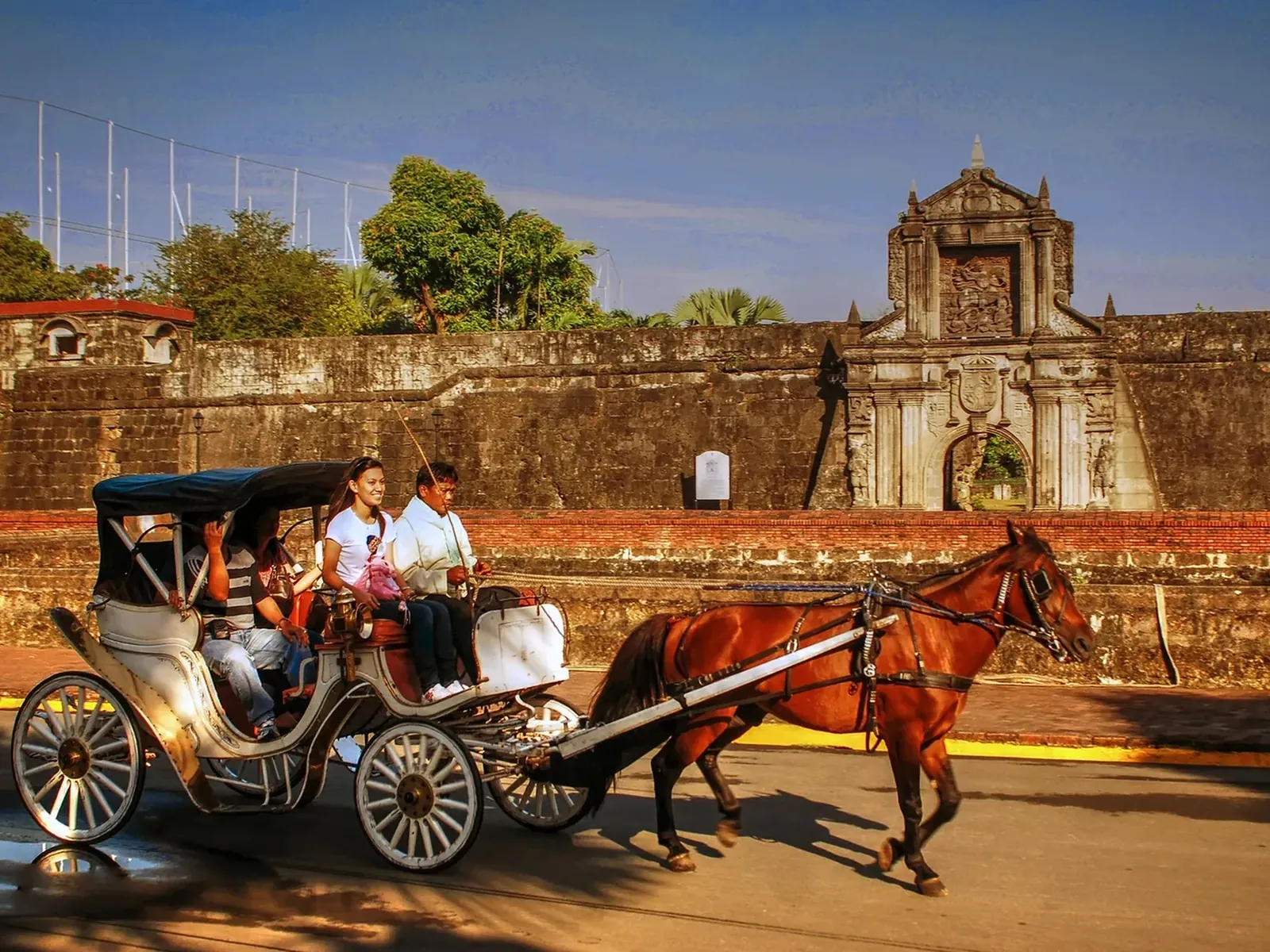
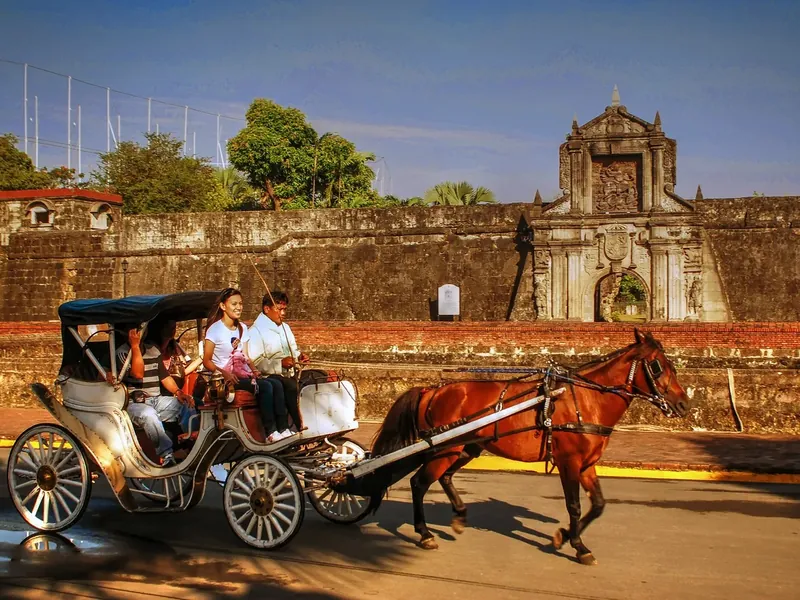
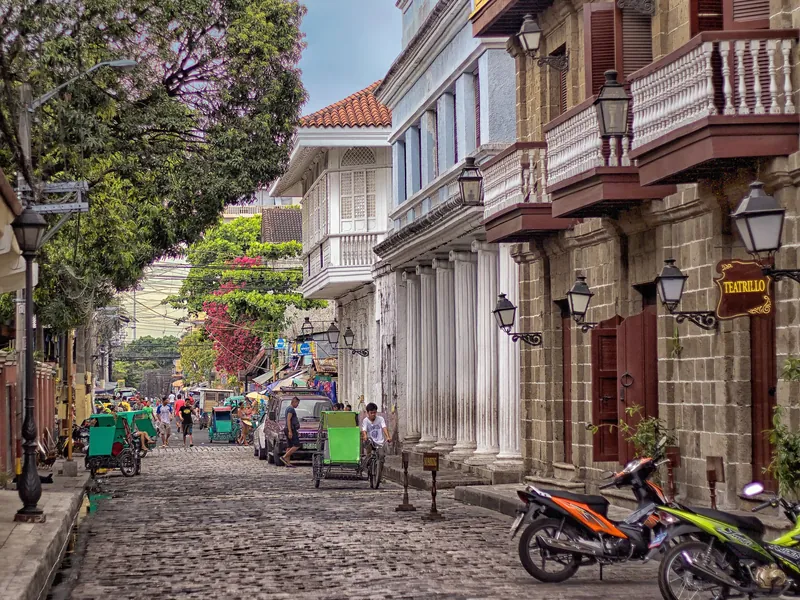
- Manila: Intramuros and Fort Santiago for a heritage day.
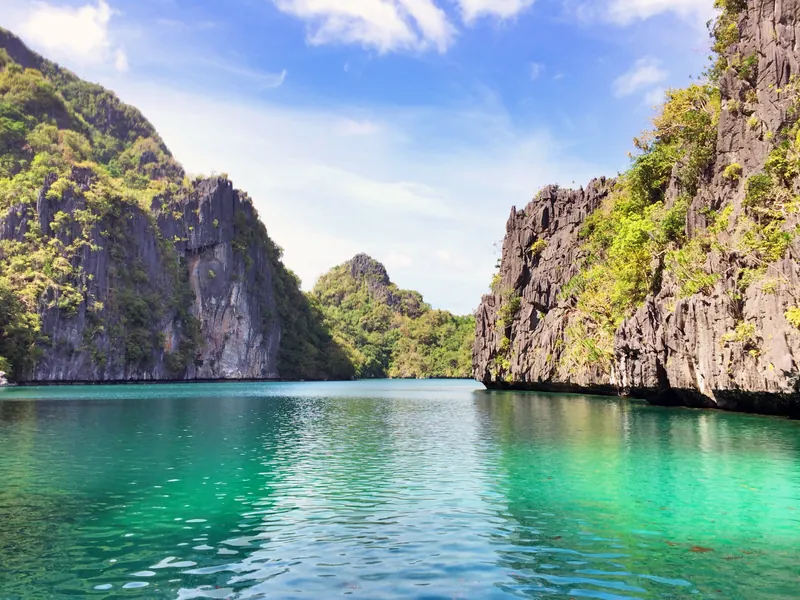
- Palawan: El Nido's lagoons and Kayangan Lake in Coron.
- Visayas: White Beach Boracay, the Chocolate Hills and Alona Beach in Bohol.
- North Luzon: Calle Crisologo in Vigan, the Batad rice terraces and the Hundred Islands.
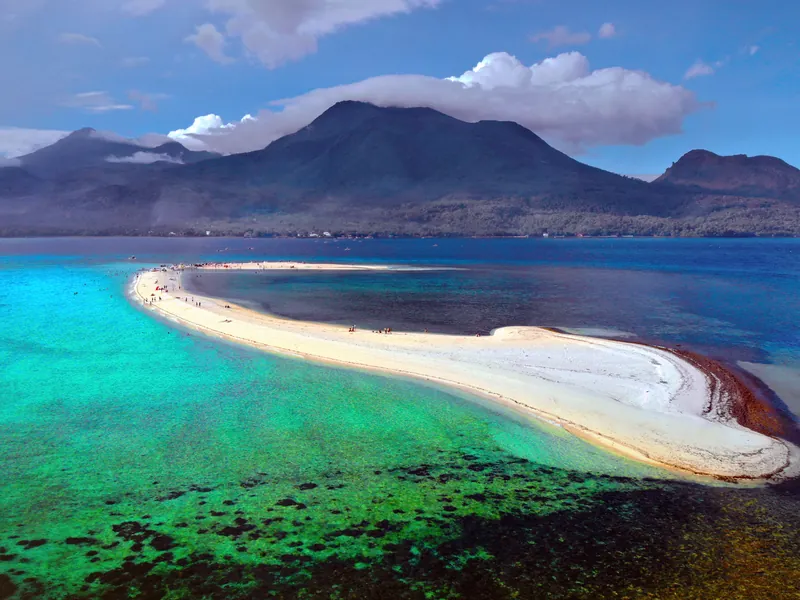
- Mindanao's island exceptions: Cloud 9 in Siargao and White Island in Camiguin, both carved out of the UK warning.
Each place page has a Know before you go block with fees, how to get there and the rough-weather months.
Scams and petty crime to know
None of this is unique to the Philippines, but these are the ones the advisories call out:
- Taxis: use taxis from a reputable company, including to and from the airport, and insist on the meter. Canada suggests hotel transport, official airport taxis or a ride-hailing app. Grab works in Manila, Cebu, Davao, Iloilo, Baguio, Dumaguete and more.
- Too-friendly strangers: be careful when strangers offer friendship. Canada reports solo tourists being drugged and robbed after an invitation to visit an attraction.
- Cards and ATMs: credit card and ATM fraud happens often. Keep an eye on your card when you pay.
- Pickpockets: pickpocketing, swarming and bag snatching happen, mostly in cities. Don't flash cash or jewellery on public transport.
- Drinks: methanol in alcoholic drinks can kill even in small amounts, and you can't taste or smell it.
- Tourist-trap pricing: in Intramuros the official kalesa rate is ₱1,000 per trip (2024), and in Boracay sharing an e-trike avoids overcharging. Agree the price before you ride.
Typhoons, quakes and volcanoes
Nature is the bigger planning factor. PAGASA counts about 20 tropical cyclones a year in the Philippine Area of Responsibility, with the peak from July to October. The UK notes that ferry accidents are more frequent in the June to December rainy season, when storms can develop quickly, so leave a spare day around island hops.
Earthquakes happen regularly; a magnitude 6.9 quake hit northern Cebu near Bogo City on 30 September 2025. Any volcano can erupt without warning, and entry to Mayon's 6-km Permanent Danger Zone is banned even at Alert Level 1. Check PAGASA for weather and PHIVOLCS for quakes and volcanoes before a big trip.
On the water
Island hopping is the highlight of most trips, so take the boring bits seriously. Beaches often have no lifeguards or warning signs, and the UK notes the ferry network has a poor maritime safety record. Wear the life vest (it is mandatory on El Nido tour boats), accept it when a gale warning cancels your trip, and swim with a buddy or guide at shore-entry snorkel spots.
Before you land
- eTravel: all travellers must register their entry and exit on the official eTravel system (etravel.gov.ph) within 72 hours before travel. Registration is free, so ignore sites that charge for it.
- Emergencies: dial 911.
- Drugs: penalties for importing and using illegal drugs are very severe.
Places in this guide
 Fort SantiagoManila
 IntramurosManila
 El Nido Island Hopping Tour A (Big Lagoon, Small Lagoon, Secret Lagoon)El Nido
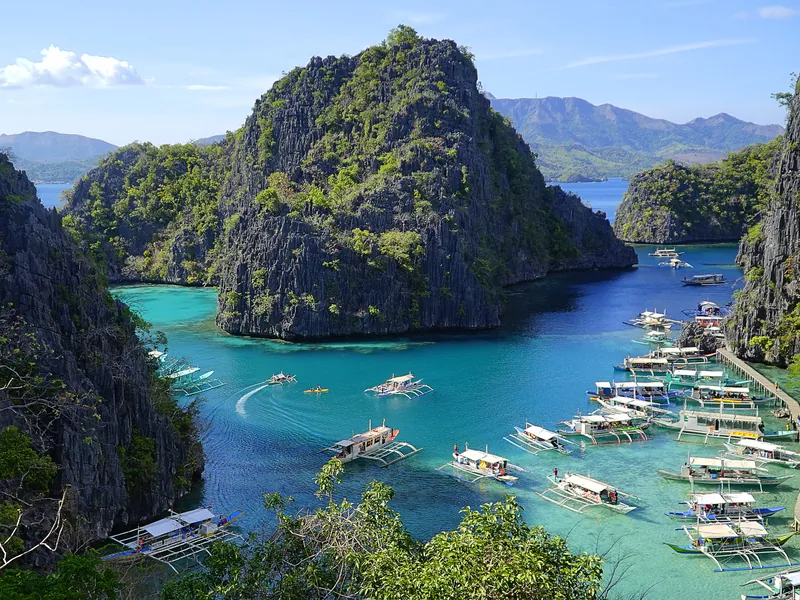 Kayangan LakeCoron
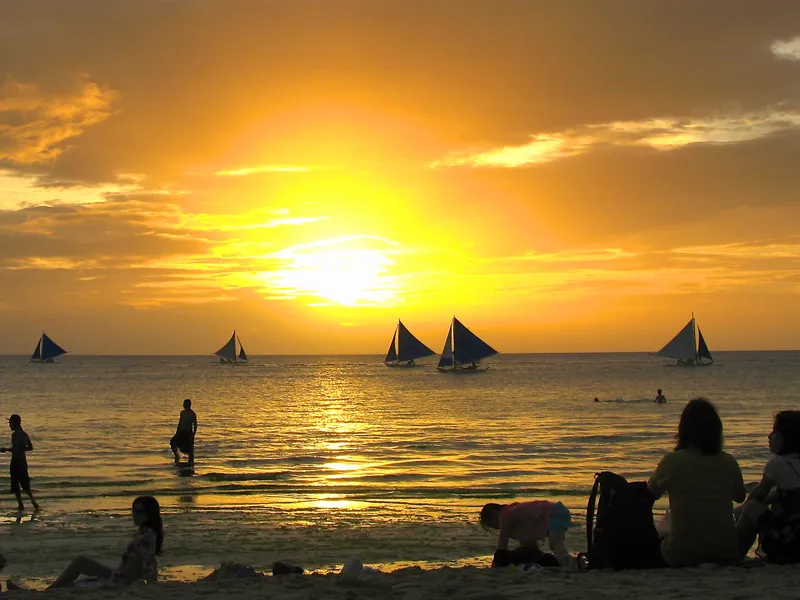 White Beach BoracayBoracay
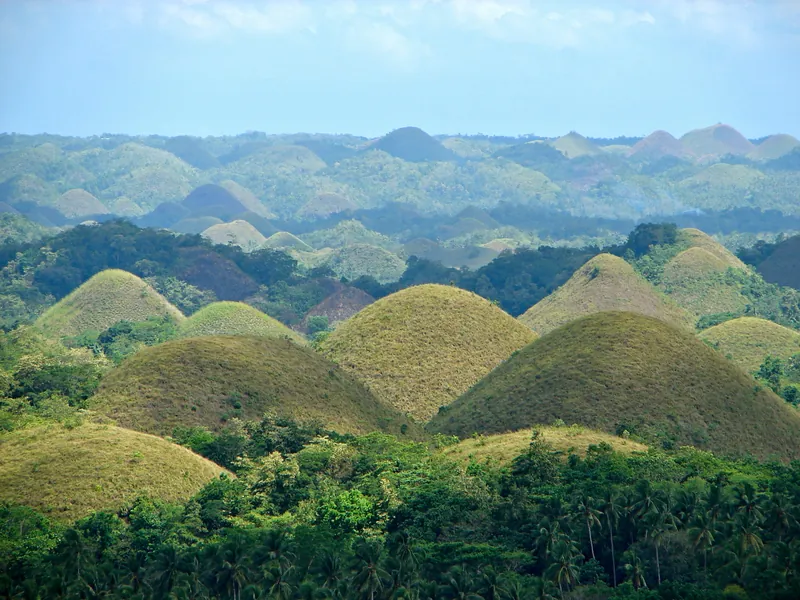 Chocolate Hills ComplexCarmen, Bohol
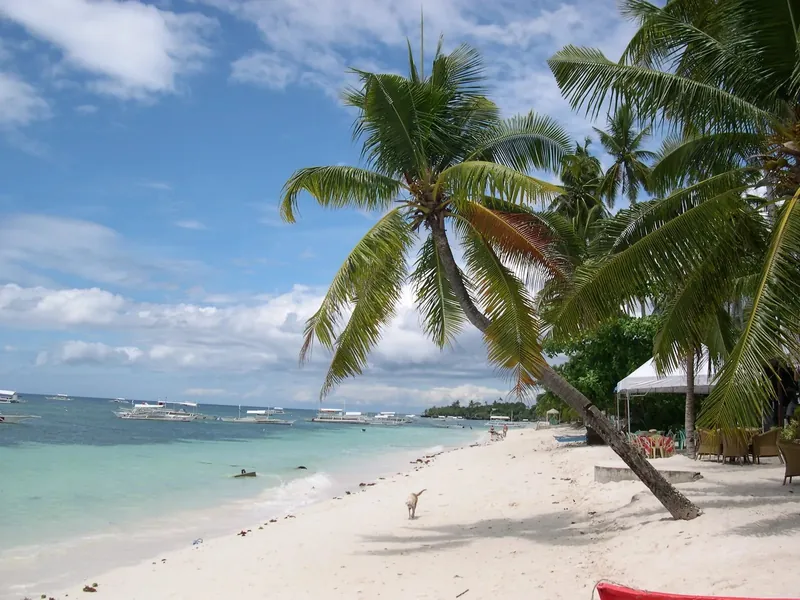 Alona BeachPanglao
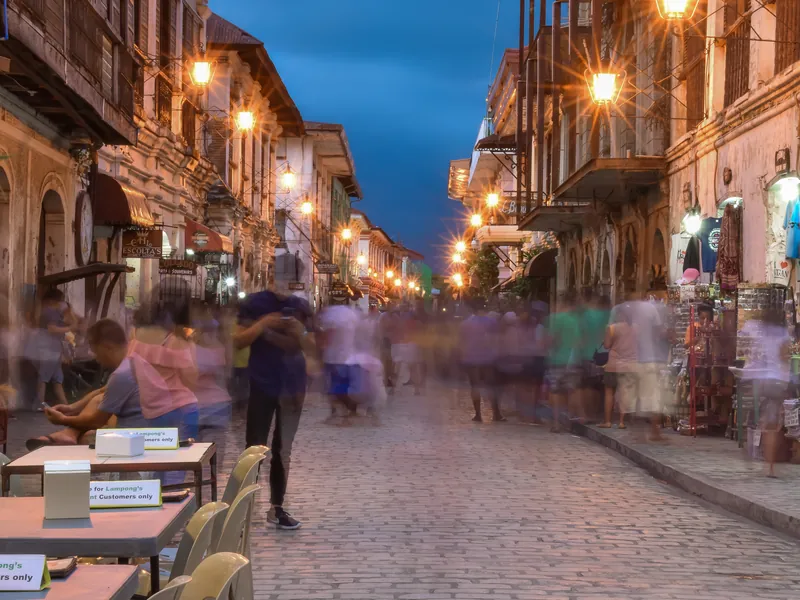 Calle CrisologoVigan
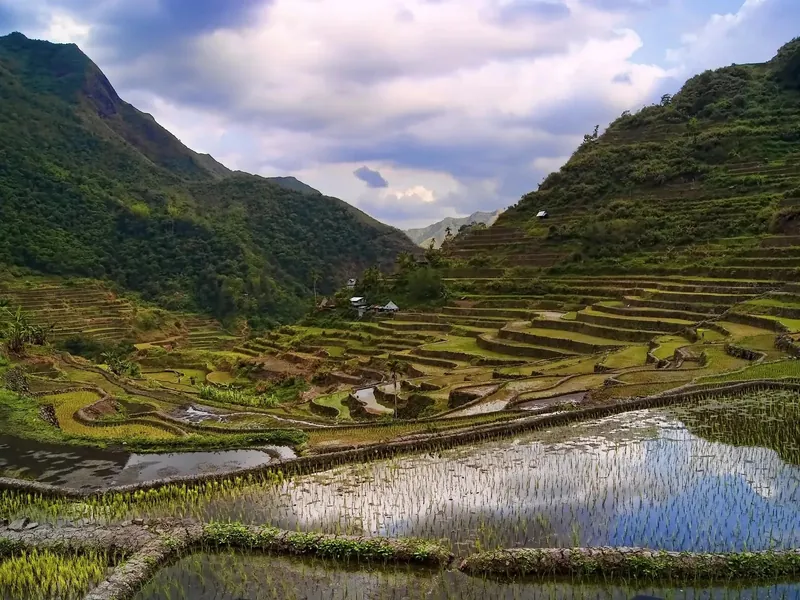 Batad Rice TerracesBanaue
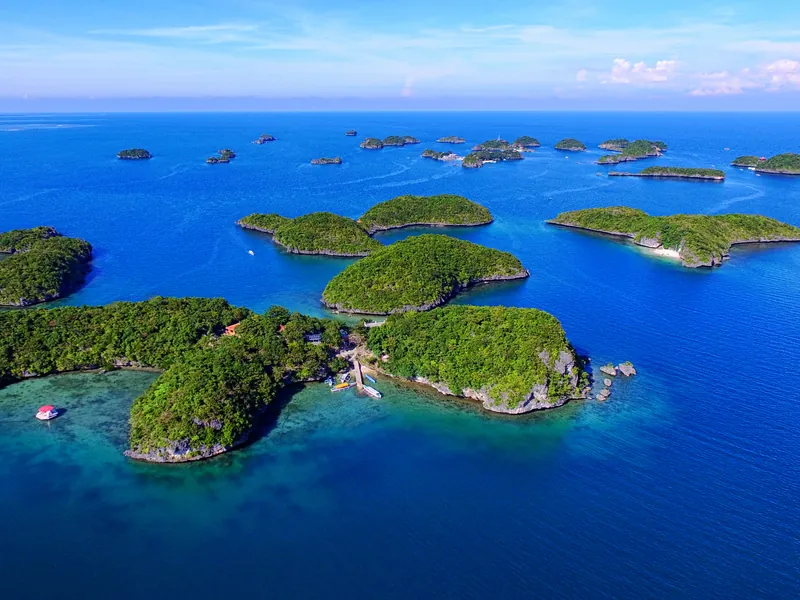 Hundred Islands National ParkAlaminos
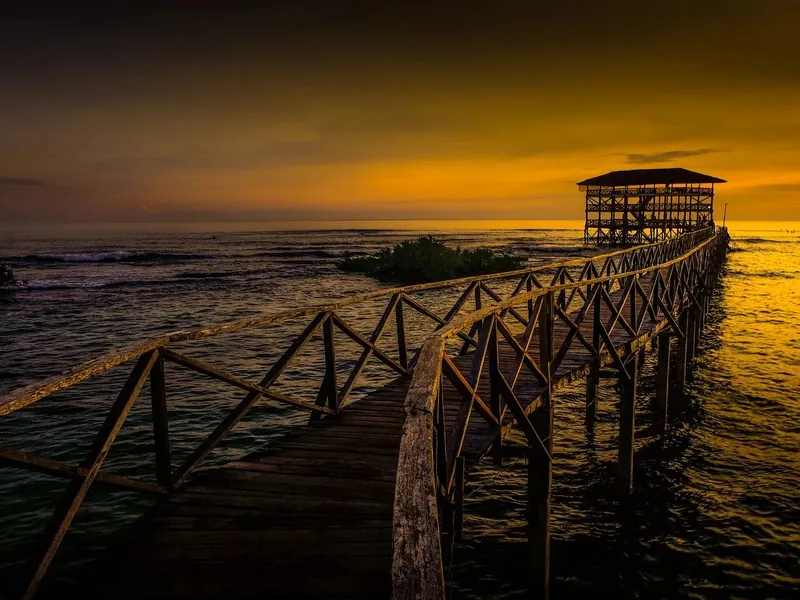 Cloud 9 BoardwalkSiargao
 White IslandCamiguin
Quick answers
Is the Philippines safe for tourists in 2026?
Canada rates the Philippines 'exercise a high degree of caution' with regional advisories, and the UK's warnings centre on Mindanao and the Sulu archipelago. Luzon and the Visayas, where most tourist spots are, are not under those regional warnings.
Which parts of the Philippines should I avoid?
The UK advises against all travel to western and central Mindanao and the Sulu archipelago, and against all but essential travel to the rest of Mindanao, except Camiguin, Dinagat and Siargao. Canada names specific Mindanao provinces and excludes Davao City and Siargao Island.
Is Siargao safe to visit?
Both the UK and Canada carve Siargao out of their Mindanao warnings. Normal precautions apply: Cloud 9 is a shallow reef break with no lifeguards.
What is the emergency number in the Philippines?
Dial 911, the national emergency hotline since 2016.
When is typhoon season in the Philippines?
PAGASA counts about 20 tropical cyclones a year in the Philippine Area of Responsibility, with the peak from July to October.
Sources
- GOV.UK: Philippines travel advice, warnings and insurance (updated 15 July 2026)
- GOV.UK: Philippines travel advice, safety and security
- GOV.UK: Philippines travel advice, entry requirements
- Government of Canada: Travel advice and advisories for the Philippines (updated 7 July 2026)
- PAGASA: Tropical cyclone information
- PHIVOLCS: Volcano alert levels
- Philstar: 911 emergency hotline launched nationwide (2016)
- eTravel: Philippine Travel Information System
- Grab Philippines: Locations
- Interaksyon: Intramuros routes, parking and kalesa rates (2024)
- suroy.ph: El Nido travel guide (2026)
- suroy.ph: Shore-entry snorkeling in Cebu and Bohol (2026)
- The Poor Traveler: Boracay mistakes to avoid (2025)