GalaTayo guide
Ethical Wildlife Encounters in the Philippines
Swimming next to a whale shark is one of the best things you can do in the Philippines. How you do it matters. Here's where the animals show up on their own terms, and the rules that keep it that way.
- Philippines
- 4 min read
- Updated October 2026
The short version
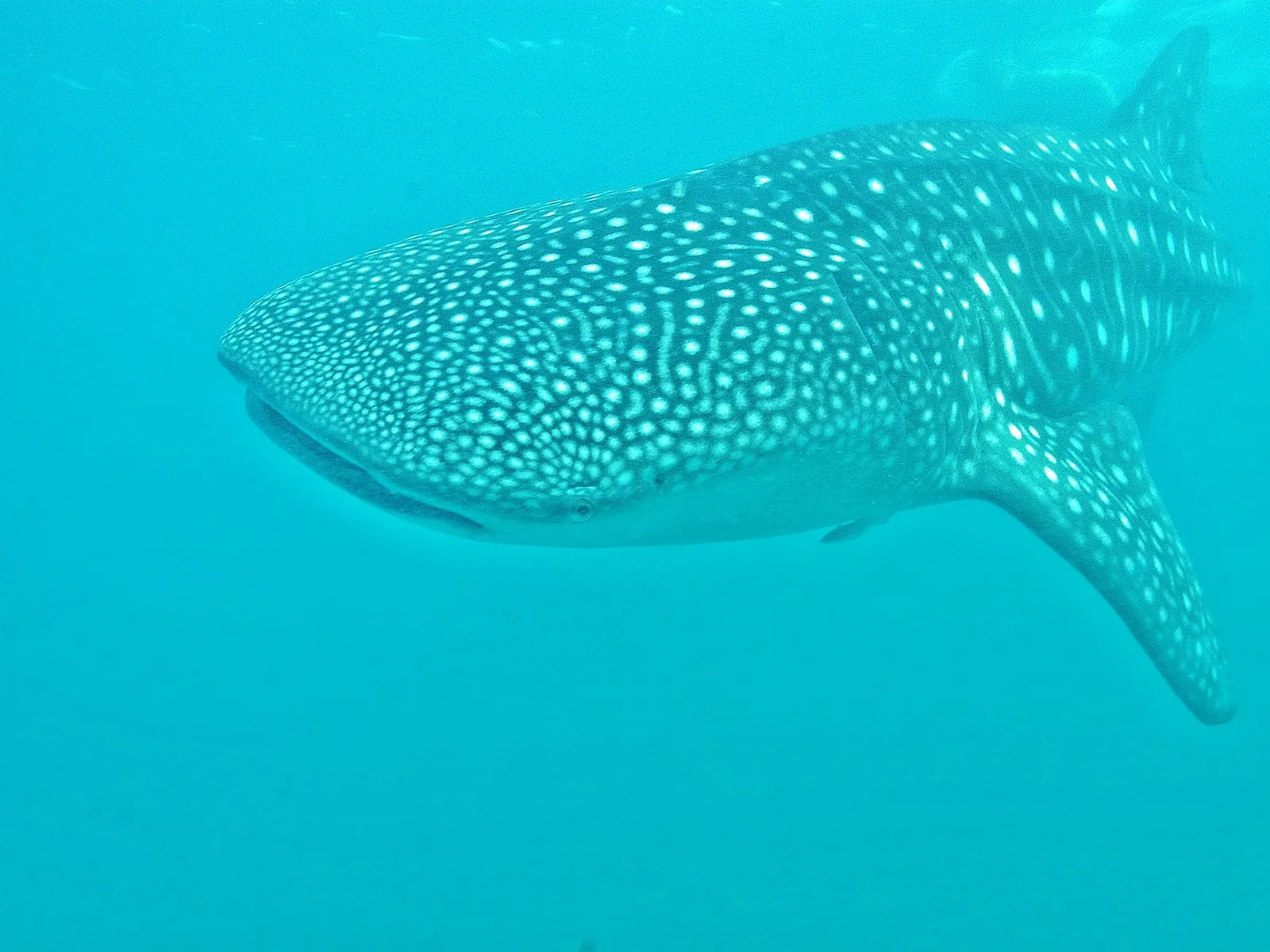
- Whale sharks: go to Donsol or Pintuyan in season, not a feeding site.
- Tarsiers: only the Philippine Tarsier Sanctuary in Corella. No flash, no touching.
- Dolphins: boats keep their distance and never chase. You stay on board.
- Sea turtles: look, don't touch. At Apo Island you're inside a protected seascape.
- Anywhere: if a tour promises a guaranteed sighting or a selfie with a wild animal, that's your cue to walk away.
Whale sharks: why we don't list Oslob
Oslob in Cebu runs what LAMAVE, the Philippine marine research group, calls the largest non-captive provisioned whale shark interaction in the world. Translation: fishermen hand-feed krill to the sharks every morning, roughly 6 AM to 1 PM, and more than 500,000 tourists come to watch each year.
The science on it is not pretty:
- On feeding days the sharks spent about six times more of the morning at the surface, and researchers warn this could affect the health of sharks that visit often (Scientific Reports, 2020).
- Some sharks stopped migrating and became year-round residents, a clear response to the feeding (Royal Society Open Science, 2017).
- In 93% of in-water surveys, people were closer than 2 m to a shark, even though the local rules ban touching (Royal Society Open Science, 2020).
- Scars were seen on 95% of the whale sharks identified at Oslob, compared with 27% in Australia (LAMAVE, 2019).
That's why Oslob is not on GalaTayo. You can have the same jaw-drop moment somewhere the sharks turn up by choice.
Whale sharks done right: Donsol and Pintuyan
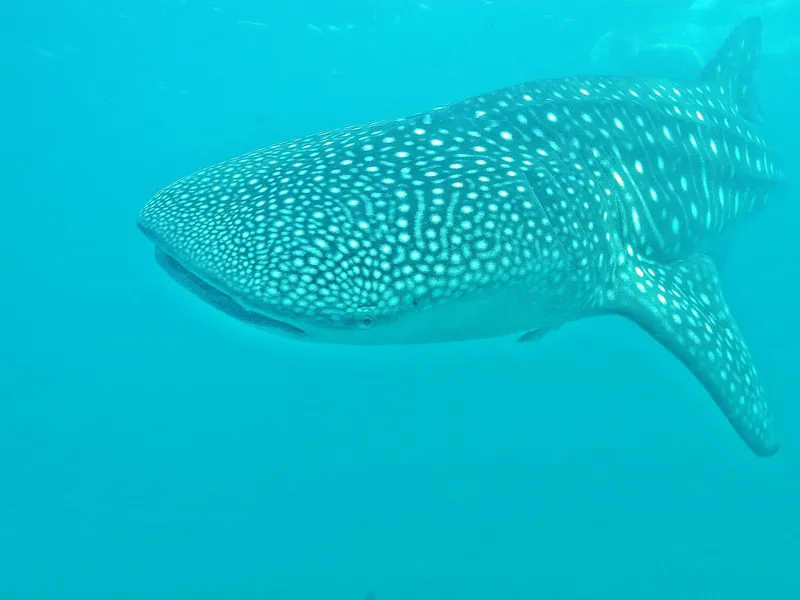
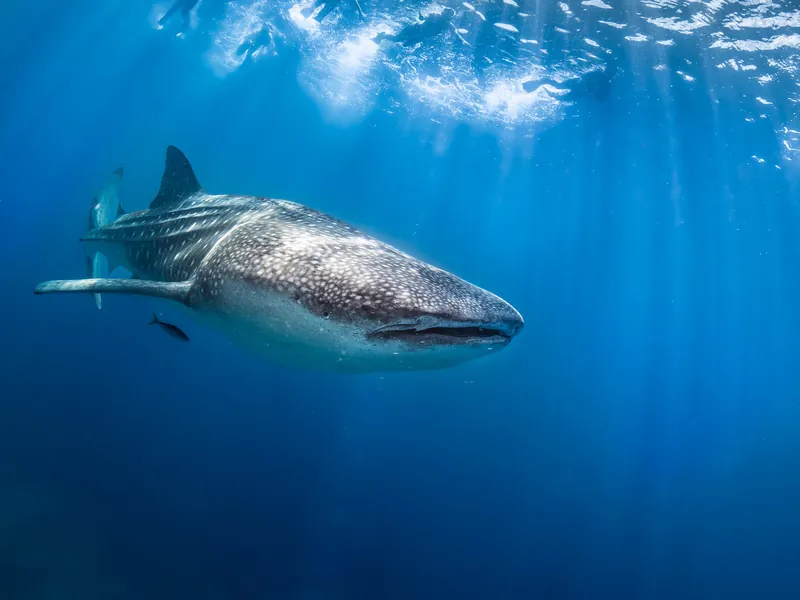
Donsol, Sorsogon was the country's first whale shark tourism site, started in 1998. The sharks gather in the bay to feed from November to May, and trained Butanding Interaction Officers guide every boat. The rules are simple: keep at least 3 m from the head and 4 m from the tail, and never touch, ride or feed a shark. Fair warning: wild means no guarantees. WWF-Philippines records showed a 68% drop in sightings from 2017 to 2018, so give yourself more than one morning.
Pintuyan, Southern Leyte is run by a local community group, KASAKA, and LAMAVE's research calls Southern Leyte the most sustainable whale shark tourism model in the Philippines. Keep 3 m away, skip the flash and selfie sticks, and only get in the water when the spotter says jump. The town charges ₱300 per visitor, and interactions pause from June 1 until they reopen in October.
Thresher sharks in Malapascua
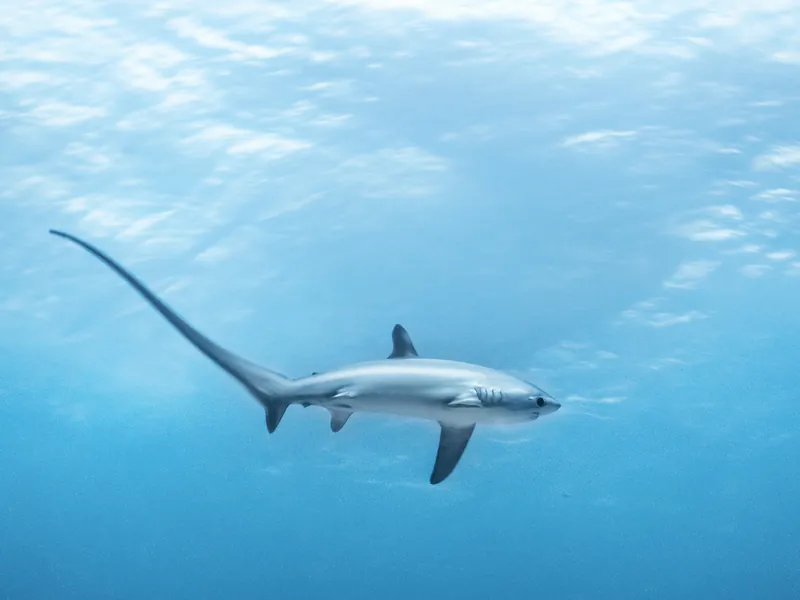
Malapascua is famous for pelagic thresher sharks that come up from deep water to get cleaned by small fish on a seamount. Researchers found that arriving divers interrupted some of these cleaning visits (PLoS ONE, 2011), so dive with an operator that keeps groups calm and still. Most thresher dives now head to Kimud Shoal, about an hour by boat, after sightings at Monad Shoal dropped around 2022.
Tarsiers: tiny, nocturnal and easily stressed
The Philippine tarsier is a small nocturnal primate found only in the Philippines. See them at the Philippine Tarsier Sanctuary in Corella, about 30 to 45 minutes from Tagbilaran. Some Bohol countryside tours stop at less ethical tarsier exhibits in Loboc instead, so ask before you book and make sure yours goes to Corella. Inside, keep your voice down and your flash off.
Dolphins: let them come to you
Philippine rules for watching dolphins and whales (BFAR-NFRDI, DA and DOT, 2004) are clear, and good operators follow them:
- Boats never approach head-on under power or drive into a group.
- A powered boat may follow dolphins or whales for no more than 20 minutes.
- Boats stay at least 100 m from any whale.
- Operators must not let passengers swim with them.
Island-hopping trips around Balicasag off Panglao often add dolphin watching. If your boatman starts chasing a pod, it's fine to ask him to back off.
Sea turtles: look, don't touch
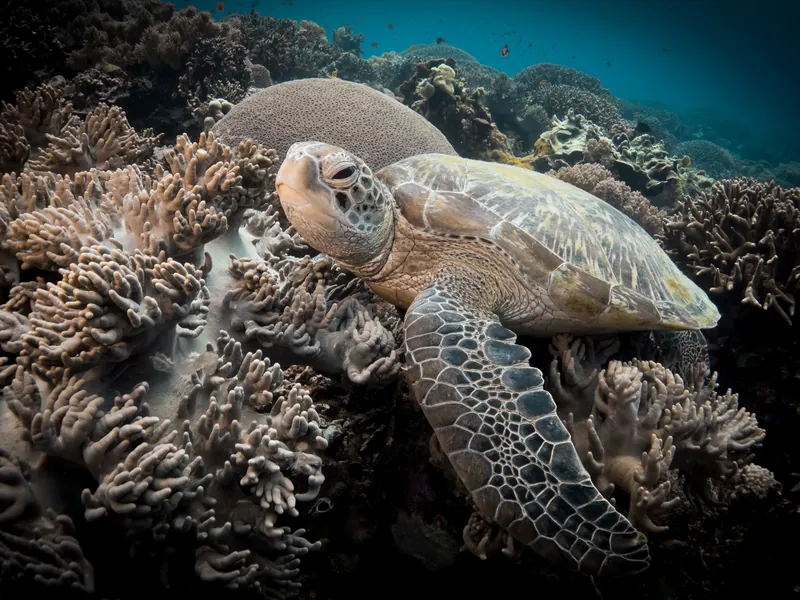
Apo Island is a protected landscape and seascape under Philippine law, with a community-run marine sanctuary that Greenpeace calls one of the best of its kind. Sea turtles feed around the island. Don't touch, chase or flash-photograph them, and keep your distance. The Wildlife Act (Republic Act 9147) also makes collecting, hunting, possessing or trading wildlife illegal, so leave every shell and souvenir made from turtles on the shelf.
The national rules for marine wildlife tourism (Joint Memorandum Circular No. 1, 2020) ban any act that disturbs, harasses or mistreats marine wildlife. That covers whale sharks, dolphins and turtles alike.
Places in this guide

Quick answers
Is Oslob whale shark watching ethical?
Oslob works because the sharks are hand-fed krill every morning. Peer-reviewed studies found the feeding changes how the sharks dive and how long they stay, and scars were seen on 95% of sharks identified there. Donsol and Pintuyan rely on sharks that come naturally in season.
When can I see whale sharks in Donsol and Pintuyan?
LAMAVE puts the Donsol season at November to May and the Southern Leyte (Pintuyan) season at November to June. Sightings are never guaranteed, because the sharks are wild.
How close can I get to a whale shark?
In Donsol, keep at least 3 m from the head and 4 m from the tail. No touching, riding, feeding or flash photos anywhere.
Where should I see tarsiers in Bohol?
Go to the Philippine Tarsier Sanctuary in Corella. Some tours stop at less ethical tarsier exhibits in Loboc instead, so check your itinerary and never use flash.
Sources
- LAMAVE: Whale sharks programme
- Araujo et al. 2020, Changes in diving behaviour and habitat use of provisioned whale sharks (Scientific Reports)
- Legaspi et al. 2020, In-water observations highlight the effects of provisioning on whale shark behaviour (Royal Society Open Science)
- Thomson et al. 2017, Feeding the world's largest fish: whale shark residency at a provisioning site (Royal Society Open Science)
- LAMAVE: 8 years of research on whale sharks in the Philippines (2019)
- Asia News Network: Donsol whale shark interaction rules (May 2025)
- SunStar: Swimming with whale sharks in Donsol (2016)
- Mongabay: What happens to an ecotourism town when the wildlife doesn't show? (2019)
- Oceanographic: How long can Pintuyan's whale shark tourism remain ethical?
- Daily Tribune: Pintuyan ends whale shark interaction season (June 2026)
- SunStar: Protecting the whale sharks of Pintuyan
- Oliver et al. 2011, Oceanic sharks clean at coastal seamount (PLoS ONE)
- suroy.ph: Malapascua Island travel guide (2026)
- Brown et al. 2014, Conservation genetics of the Philippine tarsier (PLoS ONE)
- Lakbay Pinas: Tarsier Sanctuary Corella DIY travel guide
- Joint Administrative Order No. 1, s. 2004: Guidelines for people interaction with cetaceans
- ADB Law and Policy Reform: Rules on marine wildlife tourism (JMC No. 01, 2020)
- Republic Act No. 9147, Wildlife Resources Conservation and Protection Act
- Republic Act No. 11038, Expanded NIPAS Act
- Greenpeace Philippines: Hope amid devastation in one of the world's best marine sanctuaries
- Sea Explorers: Apo Island dive sites