

Area coverage
Manila
Compare heritage spots in Manila using practical details like budget, category fit, and location context.
Area coverage
Manila
Category focus
Heritage
Search intent
GalaTayo organizes heritage places in Manila for faster local discovery and planning.
Picks from GalaTayo that fit this guide.
Heritage
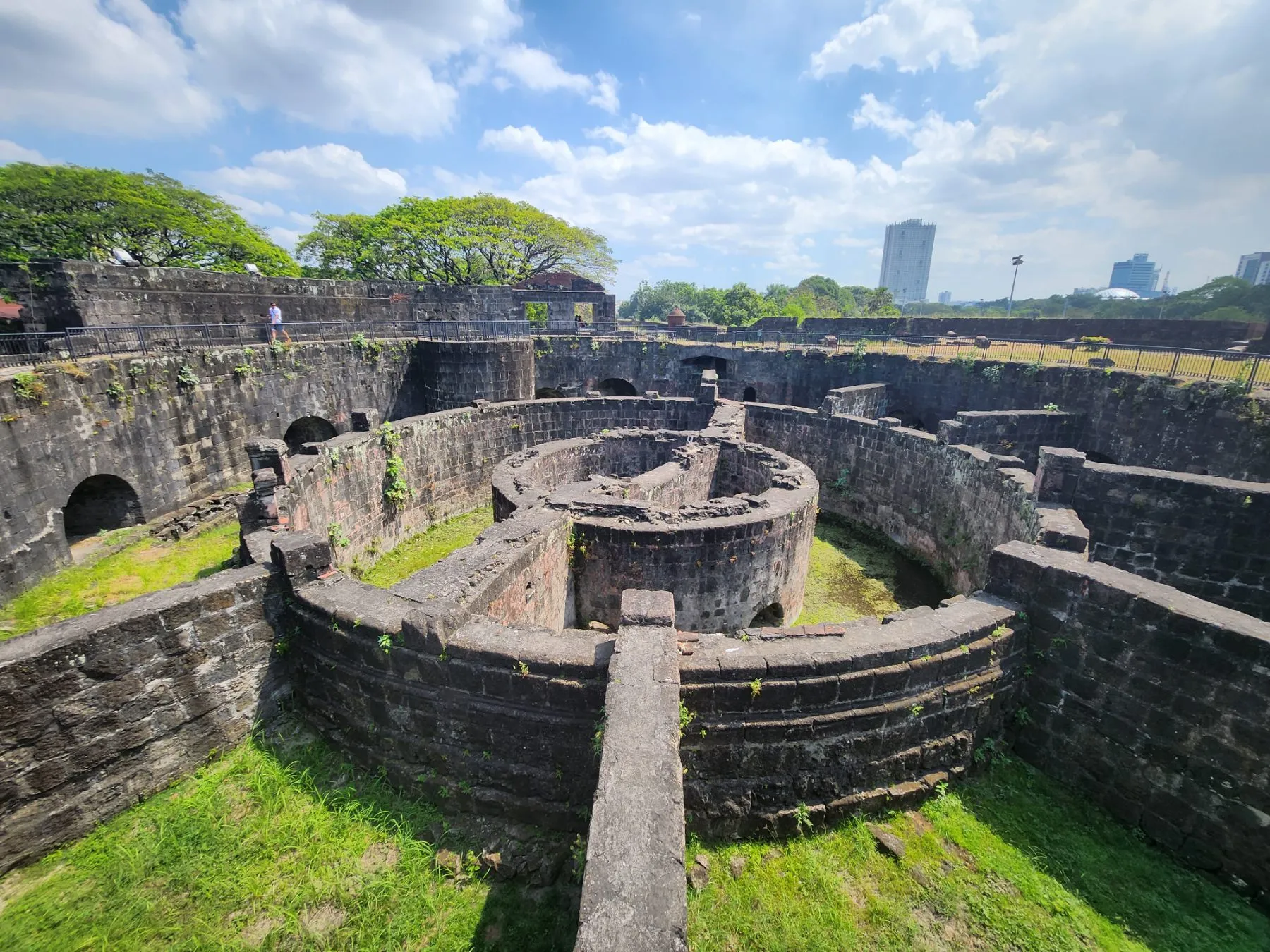
Baluarte de San Diego is Intramuros’ spade-shaped bastion and garden, built over layers of fortification that include the circular remains of an earlier structure associated with Nuestra Señora de Guia. Today, visitors walk around stone walls, lawns, and elevated sections with strong views of old defensive geometry. It has separate admission and an earlier closing time than Fort Santiago. Go in the morning or late afternoon, watch uneven steps, and check for event rentals that may restrict garden areas.
Heritage
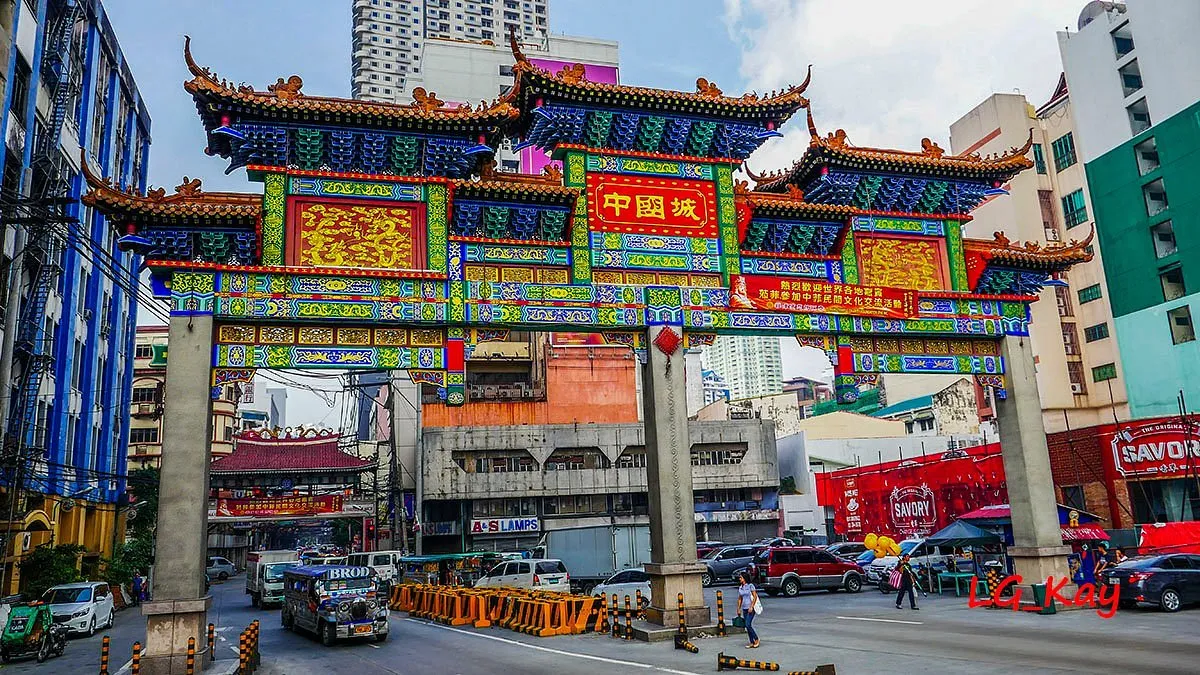
Binondo is not one attraction but a dense Chinatown route built around Ongpin Street, Binondo Church, old commercial streets, temples, bakeries, and generations of Filipino-Chinese food businesses. The best visit mixes history with a controlled food crawl: pick four or five stops instead of queueing at every viral restaurant. Start early, wear walking shoes, carry small cash, and expect narrow sidewalks, traffic, and long weekend lines. The district becomes more meaningful when you notice the churches, street names, and trade history between meals.
Heritage
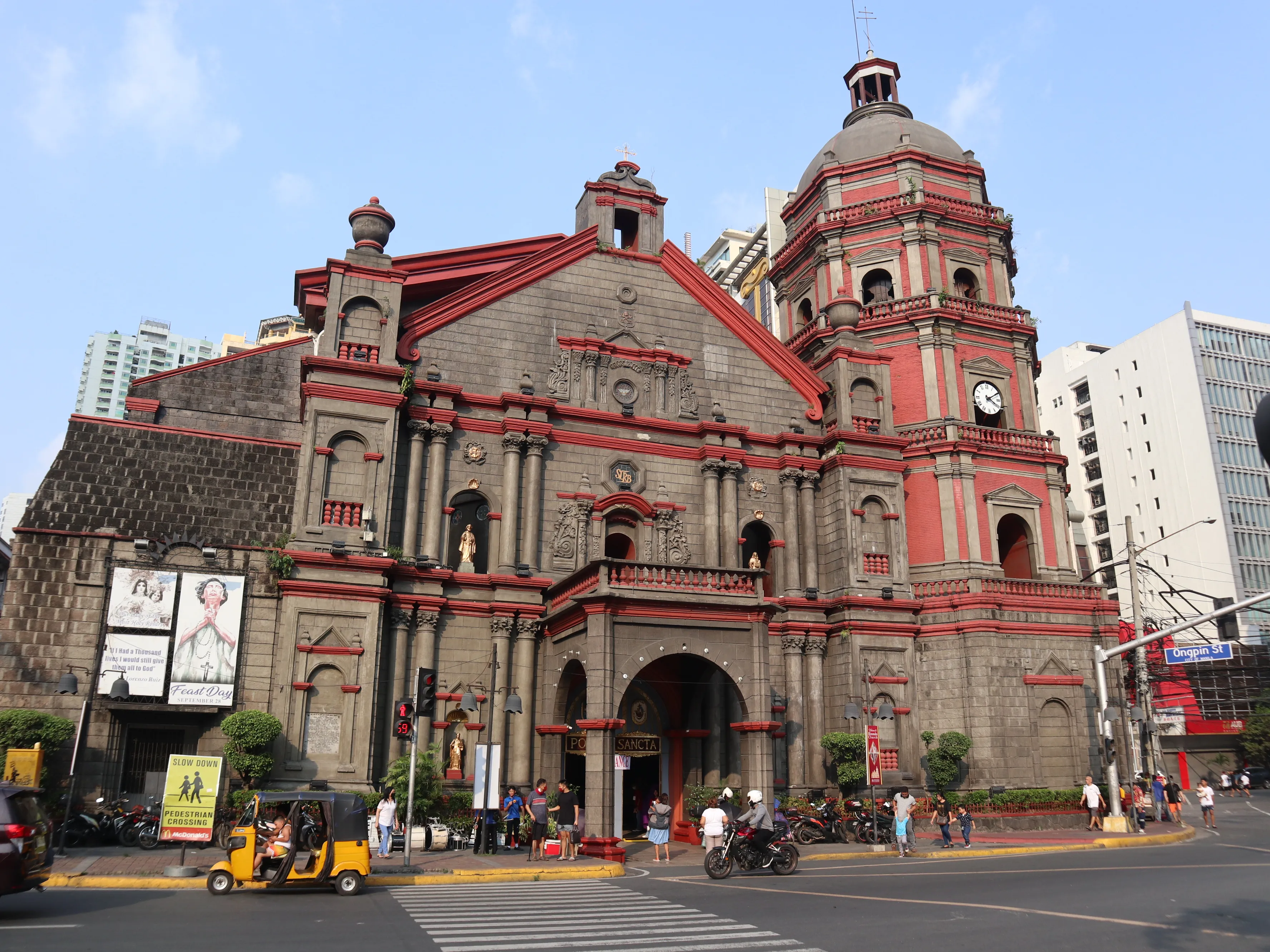
Binondo Church, formally the Minor Basilica and National Shrine of St. Lorenzo Ruiz, is one of the most important stops in Manila's Chinatown. Its story connects Chinese-Filipino Catholic communities, the Dominican mission, and St. Lorenzo Ruiz, the Philippines' first canonized saint. The façade faces Plaza San Lorenzo Ruiz, making it a natural start or finish for a Binondo food walk, but the church is active and often crowded. Attend respectfully, secure belongings outside, and avoid turning Mass or private prayer into part of a photo itinerary.
Heritage
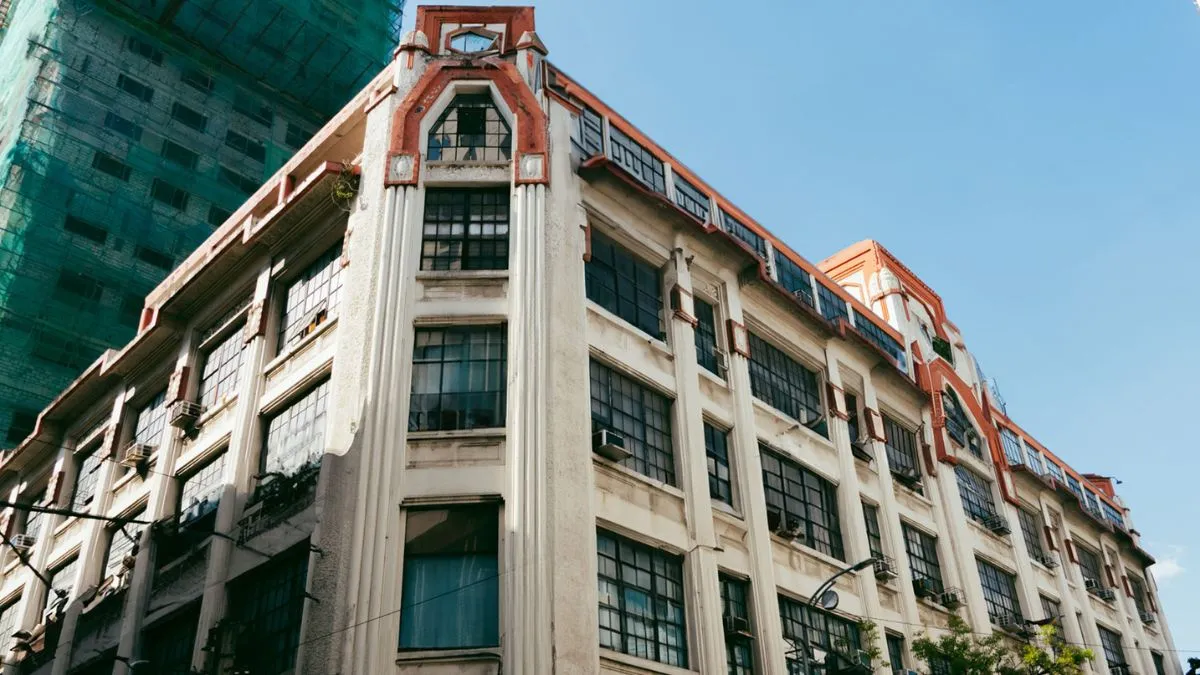
First United Building is a 1928 Escolta landmark that now mixes heritage architecture with creative tenants, studios, small shops, exhibits, and community spaces such as the Hub: Make Lab. The building is not a static museum; the most interesting visit depends on which businesses and events are open that day. Respect offices and private floors, ask before entering tenant spaces, and check the calendar for tours, markets, and art programs. Pair it with other Escolta façades and Jones Bridge for a compact walking route.
Heritage
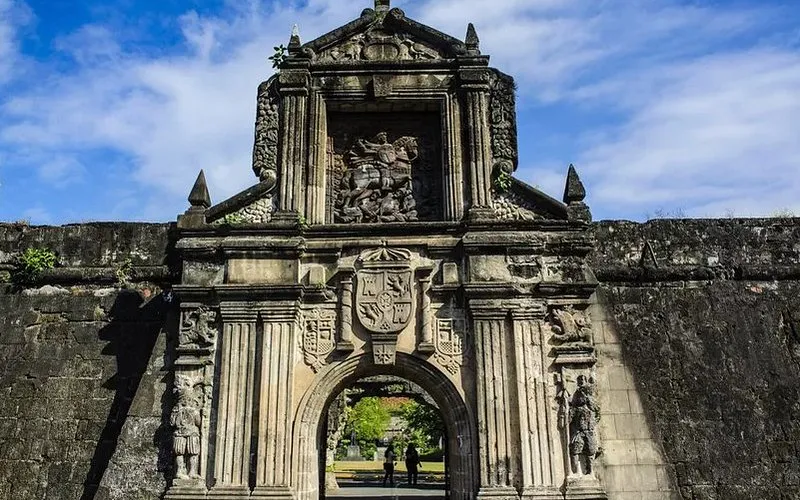
Fort Santiago is the fortified northern section of Intramuros, combining defensive walls, plazas, ruins, gardens, river views, and the Rizal Shrine. The site carries heavy history, from Spanish military use to José Rizal’s final imprisonment and wartime suffering, so it deserves more than a photo at the gate. Allow at least one to two hours, read the markers, and visit earlier in the day for cooler walking. Check current admission, closing time, and gallery access before entering.
Heritage
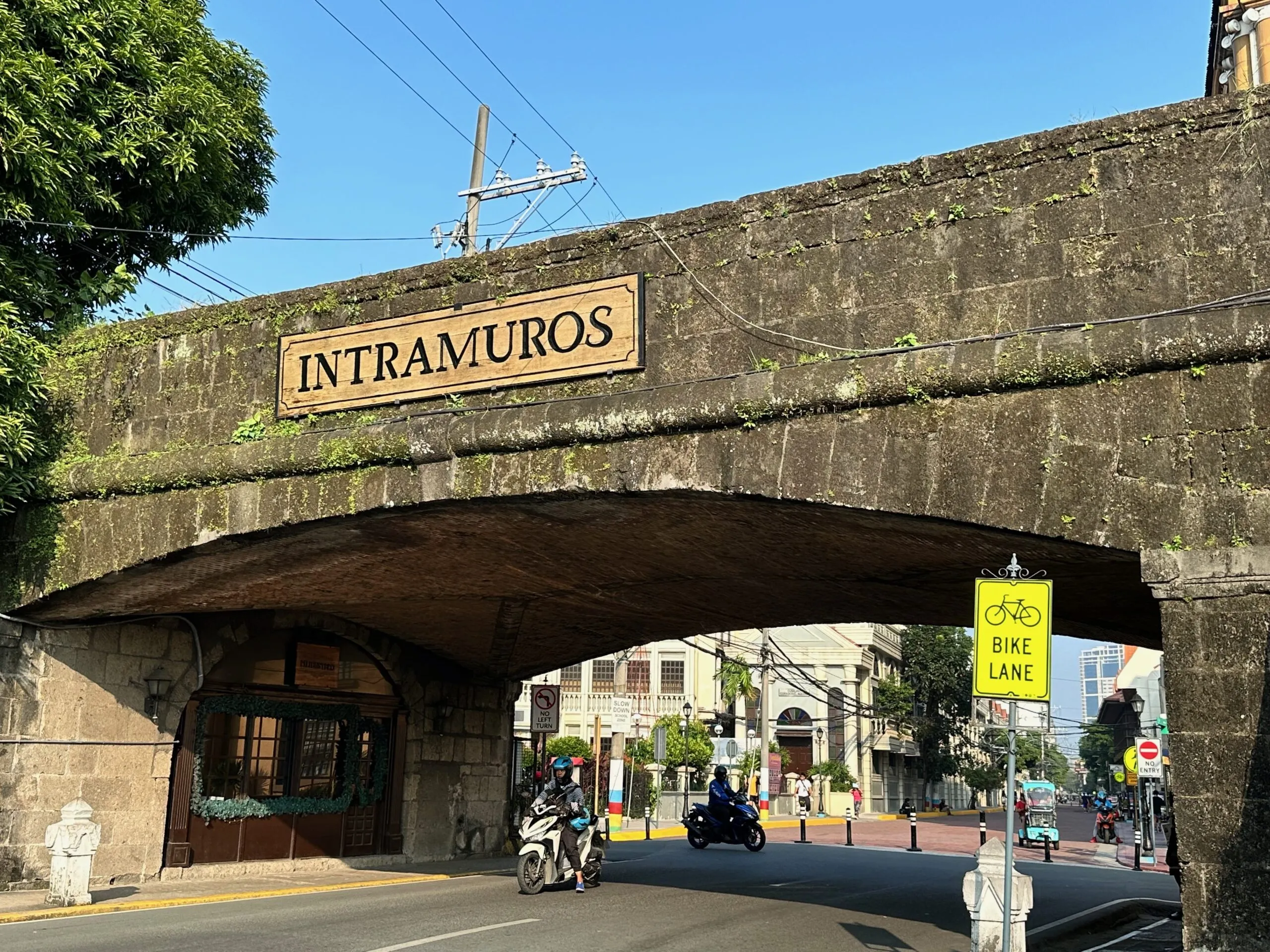
Intramuros is not one attraction; it is a whole walled district, so the biggest mistake is trying to ‘finish’ it in one rushed hour. Fort Santiago, San Agustin Church and Museum, Casa Manila, Manila Cathedral, old walls, plazas, cafés, and smaller museums each need separate time and may charge separate fees. Wear shoes that can handle cobblestones, bring water, and choose two or three anchors instead of zigzagging across every gate. For a first visit, history in the morning and a slower sunset walk usually feels more sulit than a packed checklist.
Heritage
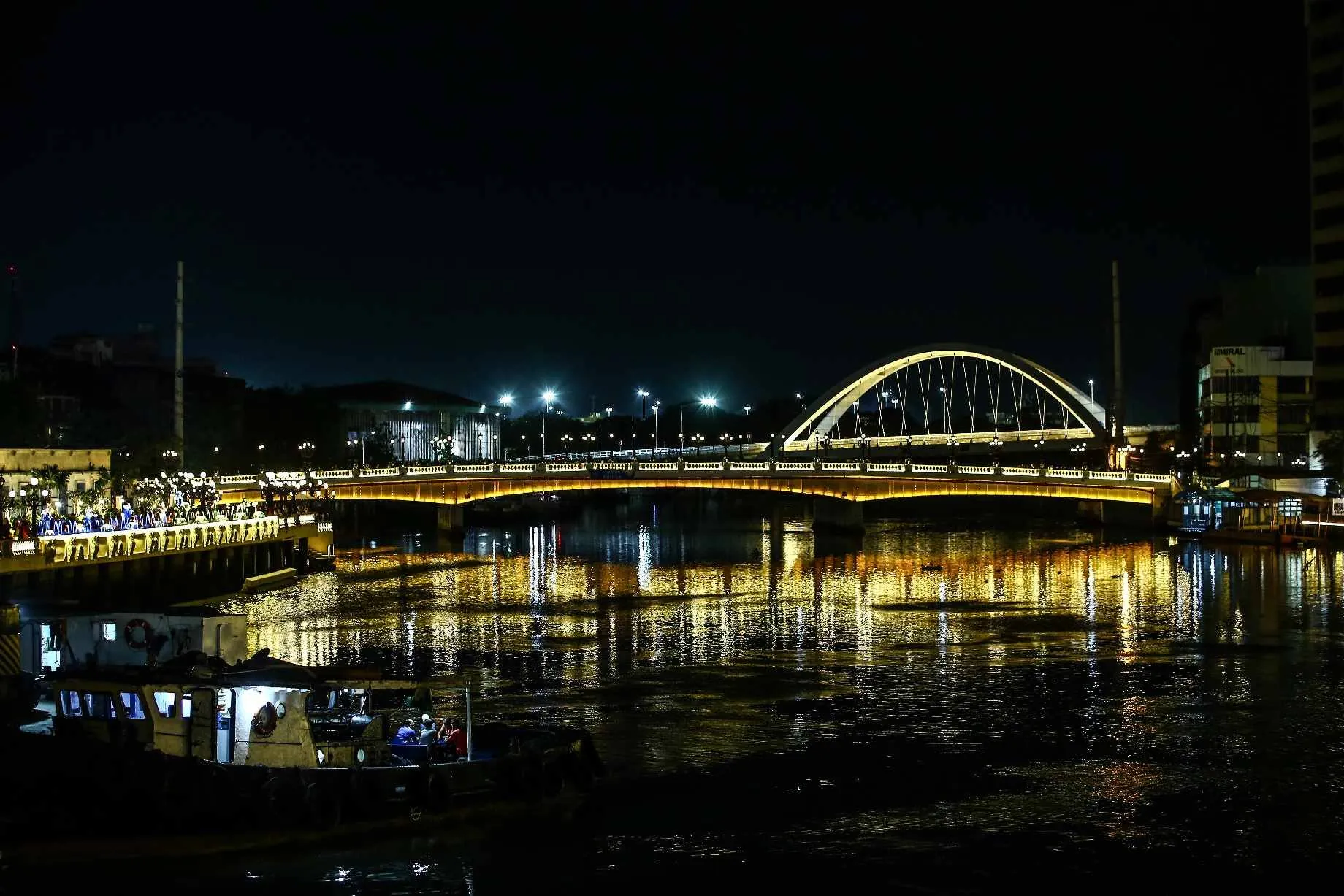
Jones Bridge is a working bridge and a Manila photo landmark, not a pedestrian plaza where you can stand anywhere. Its neoclassical-inspired lamps and restored La Madre Filipina statues frame views toward the Pasig River, Escolta, Binondo, and the old post-office area. Sunset and blue hour are popular, but traffic, narrow walking space, and phone-snatching risk require awareness. Use the sidewalks, keep gear compact, and combine it with Escolta or Binondo rather than blocking commuters for a long shoot.
Heritage
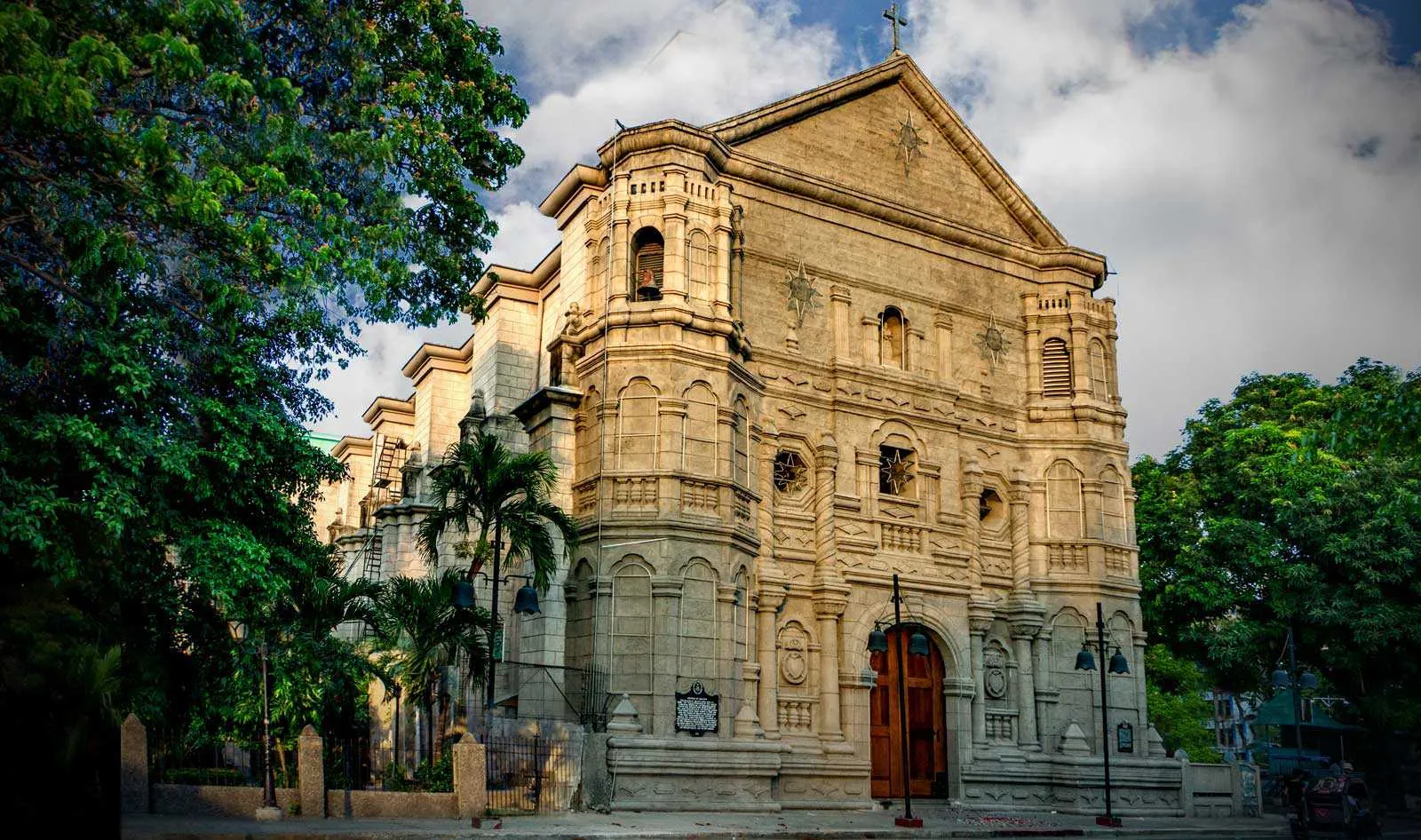
Malate Church, formally Our Lady of Remedies Parish, faces Plaza Rajah Sulayman near Manila Bay and remains one of Malate's defining religious landmarks. Its stone façade, Marian devotion, and long parish history contrast with the restaurants and nightlife around Remedios Circle. It is an active church, not a photo stop between bars, so check Mass times and enter quietly. A respectful route can connect the church, plaza, Baywalk, and nearby heritage streets, but visitors should stay alert in crowded public areas and avoid late-night wandering alone.
Heritage
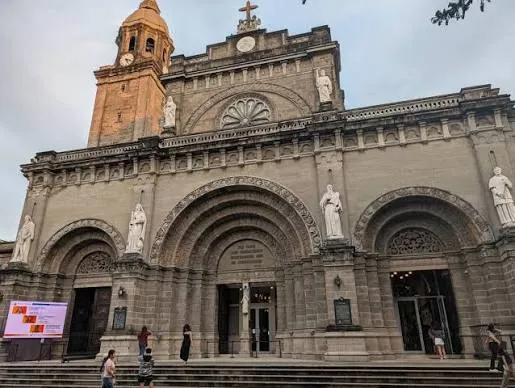
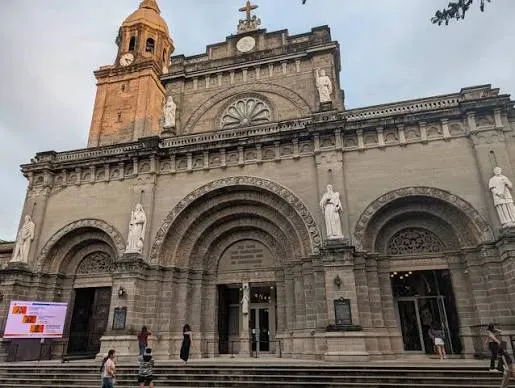
Manila Cathedral, formally the Minor Basilica and Metropolitan Cathedral of the Immaculate Conception, stands at Plaza Roma as the principal Catholic cathedral of Manila. The present building carries the history of multiple earlier cathedrals damaged by earthquakes, fires, wars, and reconstruction, making it one of Intramuros' most layered landmarks. It remains an active seat of worship, so Masses, weddings, funerals, and diocesan events come first. Check the schedule, dress respectfully, read the markers, and avoid treating the grand interior as a free portrait studio.
Heritage
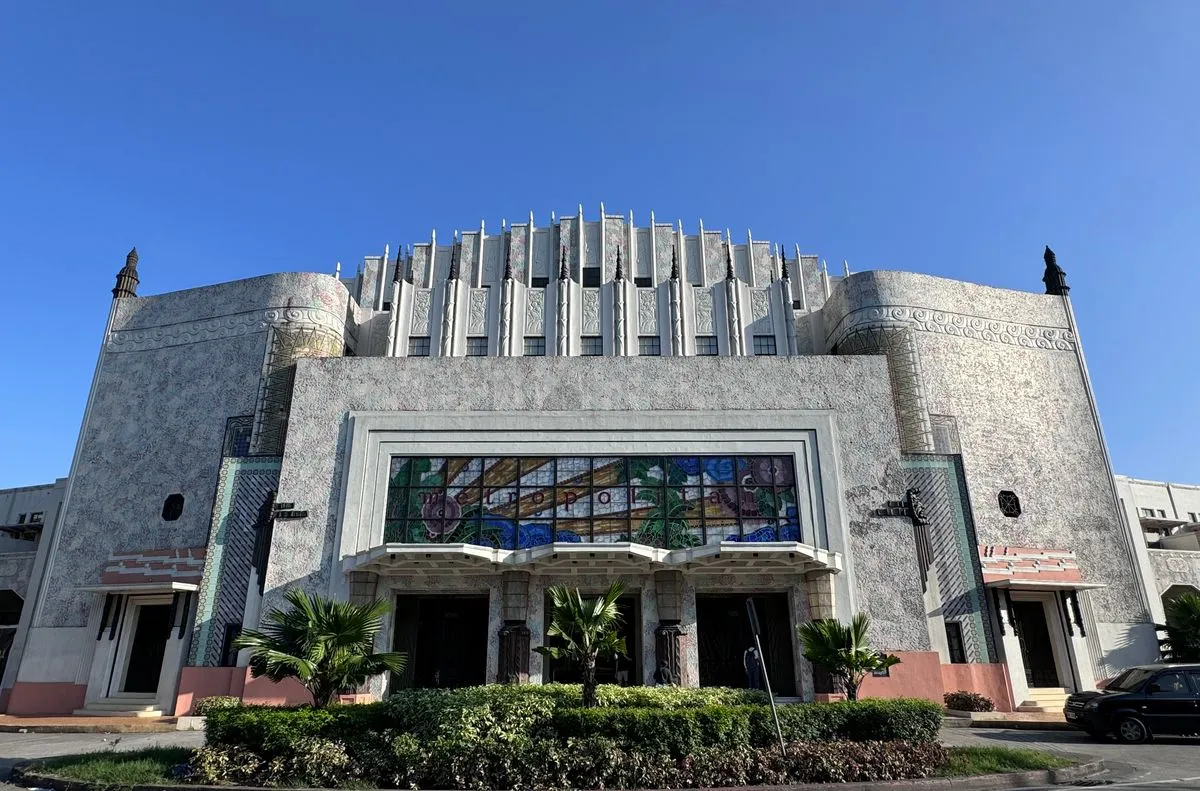
The Metropolitan Theater, or MET, is Manila's restored Art Deco performing-arts landmark beside Liwasang Bonifacio. Designed by Juan Arellano and opened in 1931, its façade, sculptural details, stained glass, and tropical motifs make it worth noticing even before a show starts. The interior is not a walk-in museum, so the best way to experience the restoration is through a scheduled performance, tour, or public program. Check ticketing and entry rules first, dress appropriately for the event, and pair the visit with Arroceros Forest Park, the Post Office area, or Escolta only if the schedule leaves enough time.
Heritage
Plaza Moriones is the broad open space visitors cross after entering Fort Santiago, so it is more than a random plaza but less than a separate attraction. Its lawns, paths, military statues, and view toward the fort create a transition from present-day Intramuros into the site’s colonial and wartime history. Access is generally tied to entering Fort Santiago, including its admission and operating rules. Stop for orientation and photos, but save most of your time for Plaza de Armas, the dungeons, walls, and Rizal Shrine deeper inside.
Heritage
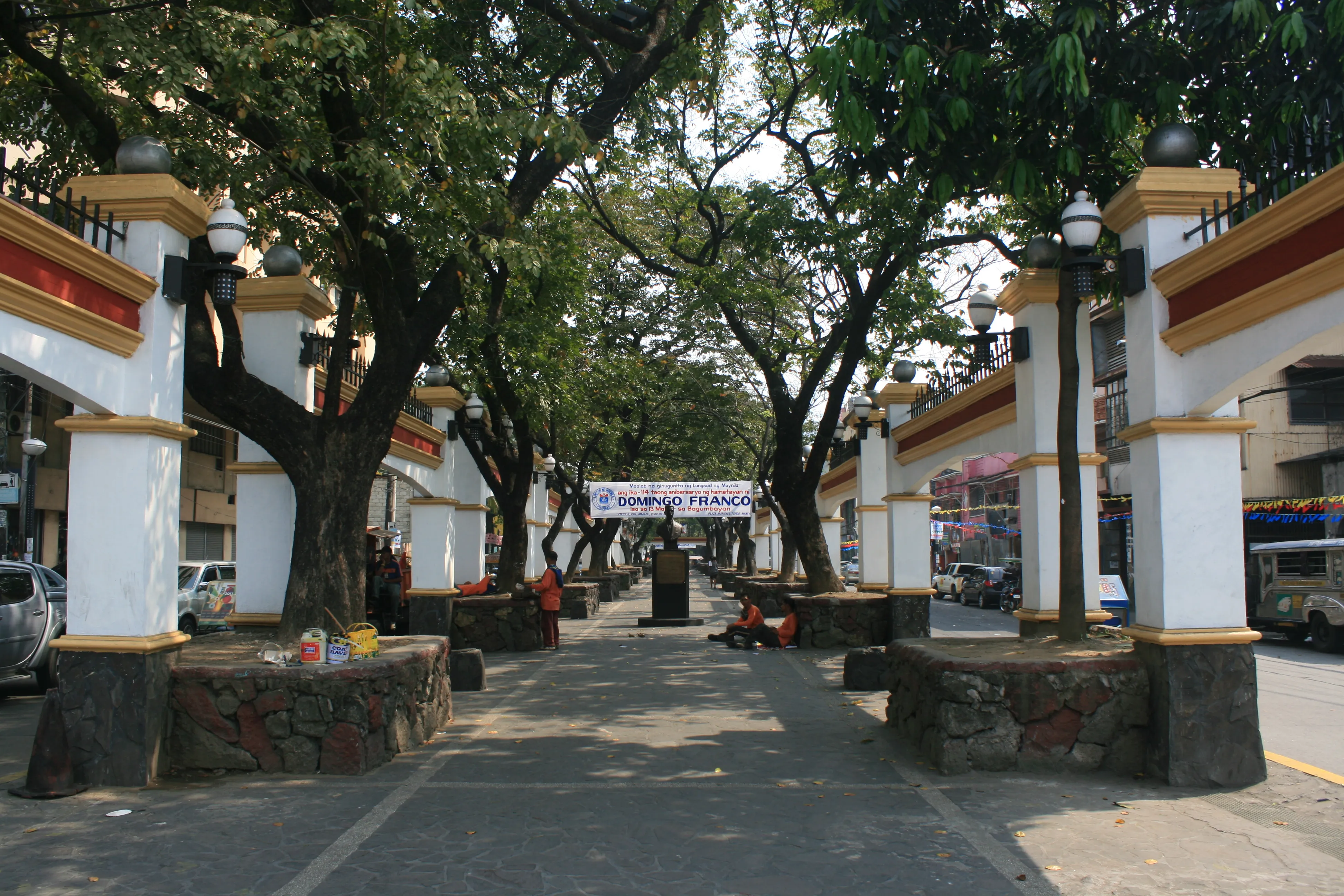
Plaza Roma is Intramuros’ historic central square, framed by Manila Cathedral, Palacio del Gobernador, the Ayuntamiento, and the King Carlos IV monument. The plaza itself is free and quick to see, but its importance comes from understanding how religious, colonial, and civic power were arranged around one space. Go early for cleaner photos, then enter one nearby site instead of circling the monument only. Be mindful of cathedral services, government security, traffic, and tour groups.
This guide collects heritage recommendations in Manila and highlights useful context like budget, audience fit, commute notes, and nearby areas.
GalaTayo uses approved place data, category matching, and planning signals like who a place is best for, location context, and searchable place details.
This guide features heritage available in Manila, with a focus on practical details like budget range, commute access, parking availability, and audience fit.
GalaTayo refreshes this guide as new approved places are added and existing place details are updated, so the picks stay current.